

That means Big Bend National Park isn’t a destination for me — it’s where I go on a Tuesday. It’s the view from my window and the trail under my boots and the sky I fall asleep under. I know this desert the way most people know their own neighborhood, and I’m still finding things out here that stop me cold.
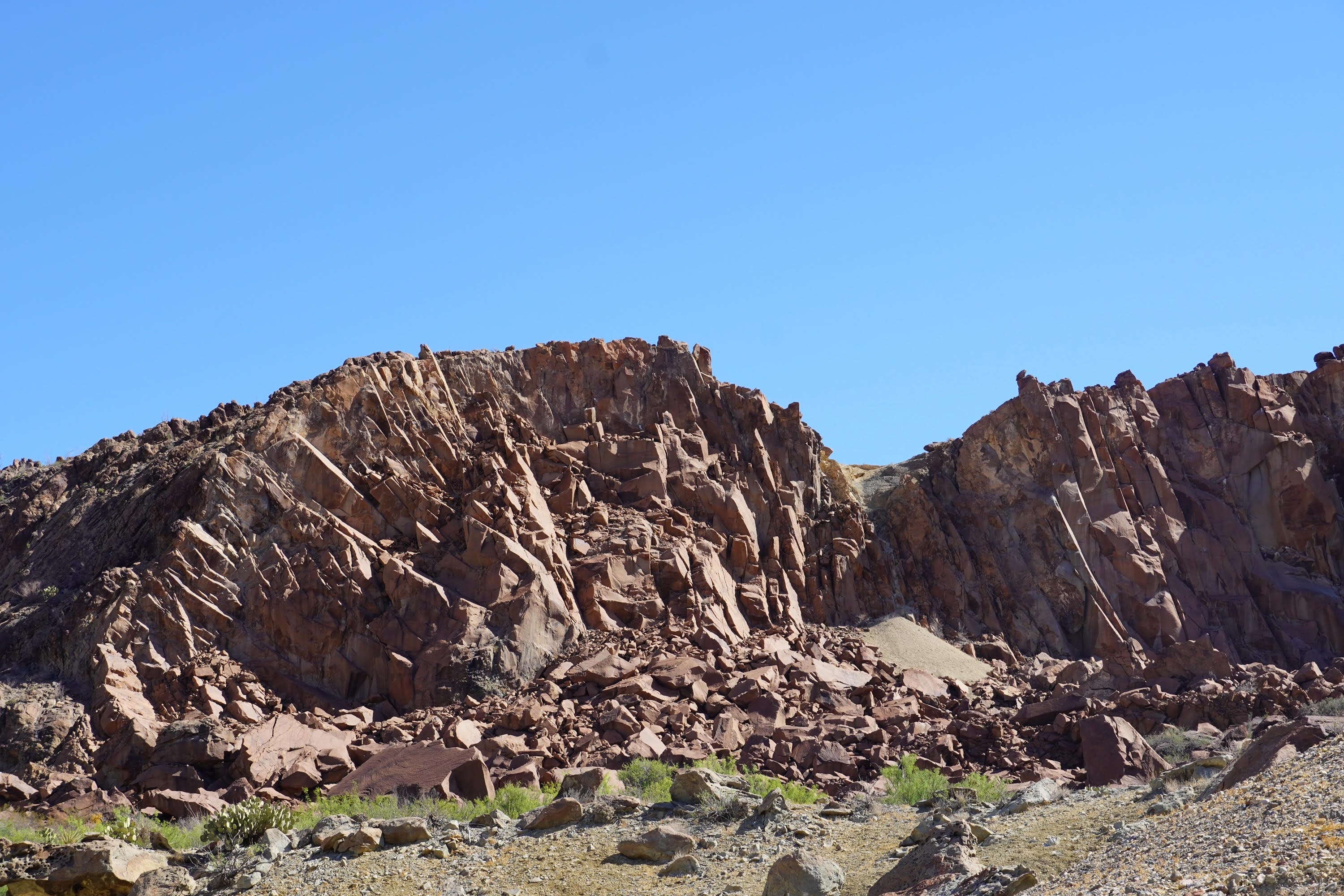
Indian Head Trail is one of them.
Here’s the thing about living somewhere people travel from all over the world to visit, you learn fast which places the guidebooks get right and which ones they miss entirely. You won’t really find the Indian Head trail in the guidebooks, but that’s for good reason.
This trail sits on the western edge of Big Bend, accessed from outside the park off Highway 118. You will want to look for Indian Head Road just north of Big Bend Resort & Adventures. It’s easy to blow past if you don’t know it’s there. You will want to follow the dirt road for a little over a mile until it dead-ends at the park boundary. You’ll walk through a small gate and follow the faint trail until you see an information side.
The hike itself is just under 2 miles, nearly flat, and takes less than an hour at an easy pace. I’ve been many times and every time, it gives me something new.


I want you to understand what’s actually out here, because I think people walk past it without realizing what they’re looking at.
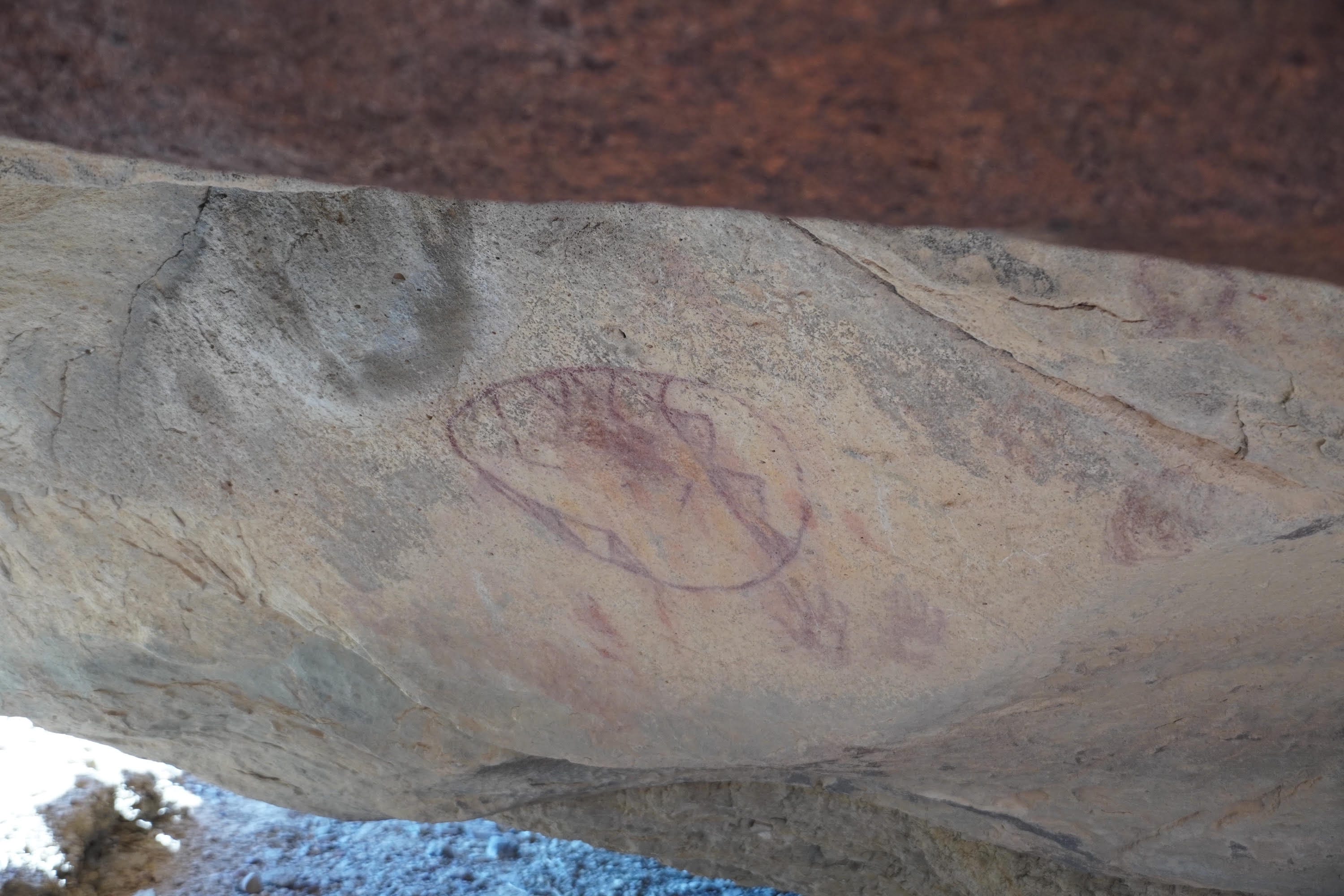
The boulders at the base of Indian Head Mountain are covered in petroglyphs and pictographs, carvings, and paintings made by human hands thousands of years ago.
There are also grinding holes worn into the bedrock, bowls carved over generations by people processing seeds and plants, and a small natural spring at the trail’s end. In the Chihuahuan Desert, water is life. People returned to this spot for thousands of years, and you can feel the weight of all those return trips.
Staring at the pictographs is almost spiritual. And, that’s what this desert is, if you slow down enough to let it be.
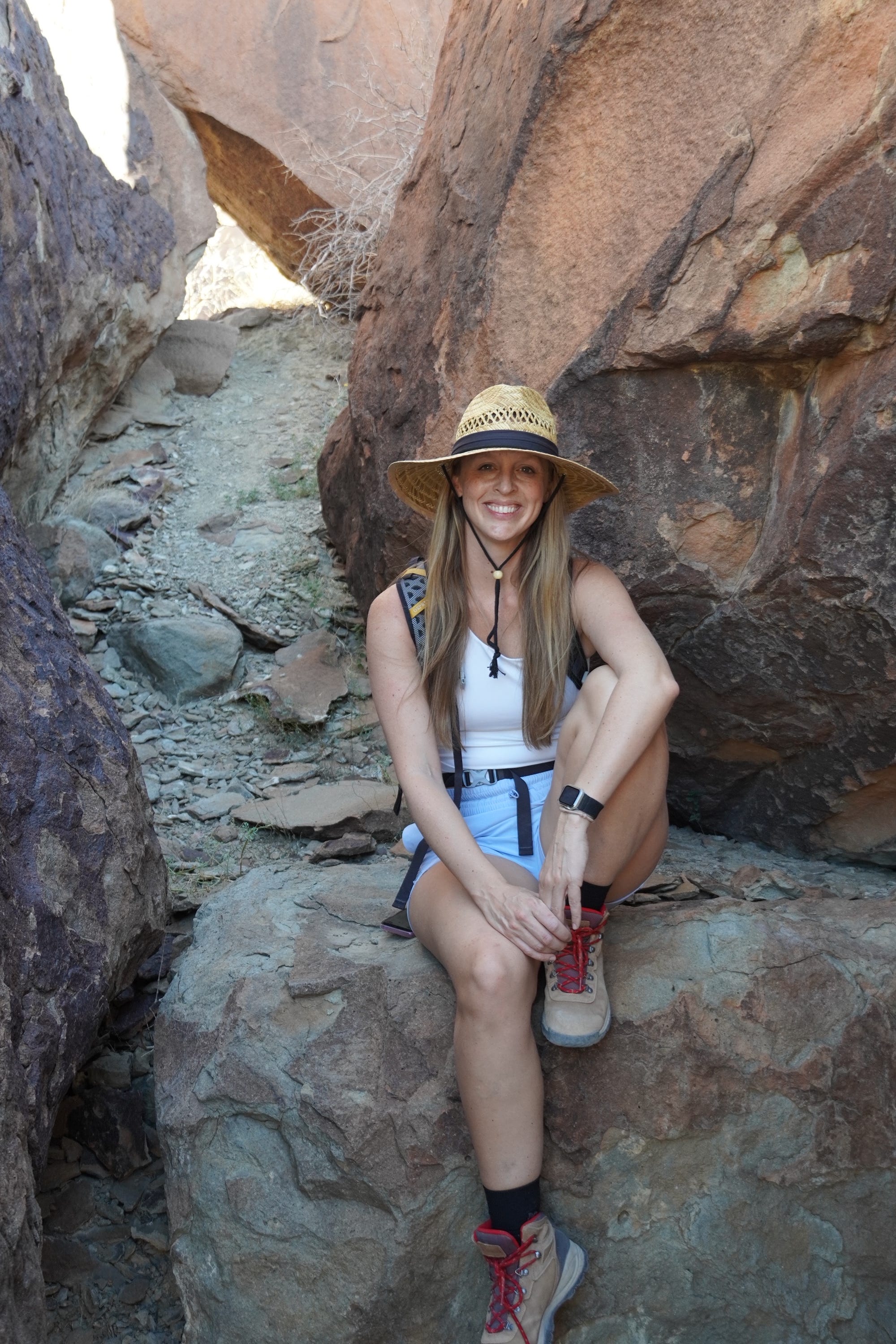
Since I live here, let me tell you what the internet won’t:
There is no shade. Pack more water than you think is reasonable and then add more. In spring and summer, temperatures climb fast and they climb mean. At least a liter per hour, more if you’re bringing kids or older folks.
The dirt road is fine in dry weather for most vehicles, but after rain it becomes a different thing entirely. If it’s rained recently, wait.
Come at sunrise if you can. The light on those boulders in the early morning is worth the alarm. Indian Head Road is also one of the best stargazing spots near the park, dark enough out there that the sky actually does what it’s supposed to do.
Bring your Big Bend pass. The trail is inside the park boundary even though you reach it from outside.
No camping, no pets, no wheeled vehicles on the trail. Pack out everything you pack in. There are no facilities out here, and that’s exactly how it should be.
Do not touch the petroglyphs. Do not take artifacts from the ground. And please, please do not add your name to anything out there.
Vandalizing archaeological resources on federal land is a federal crime: up to $20,000 in fines and two years in prison. But honestly, the law is the least of it. The real cost is what gets lost and never comes back.
This place was here long before us. With the right kind of respect, it’ll be here long after.
From your local friend,
Mallory
I love being able to “Like” an email. You always get to the heart of the Big Bend.